.svg)

Protecting Your Mental Health in the Age of Constant Alerts
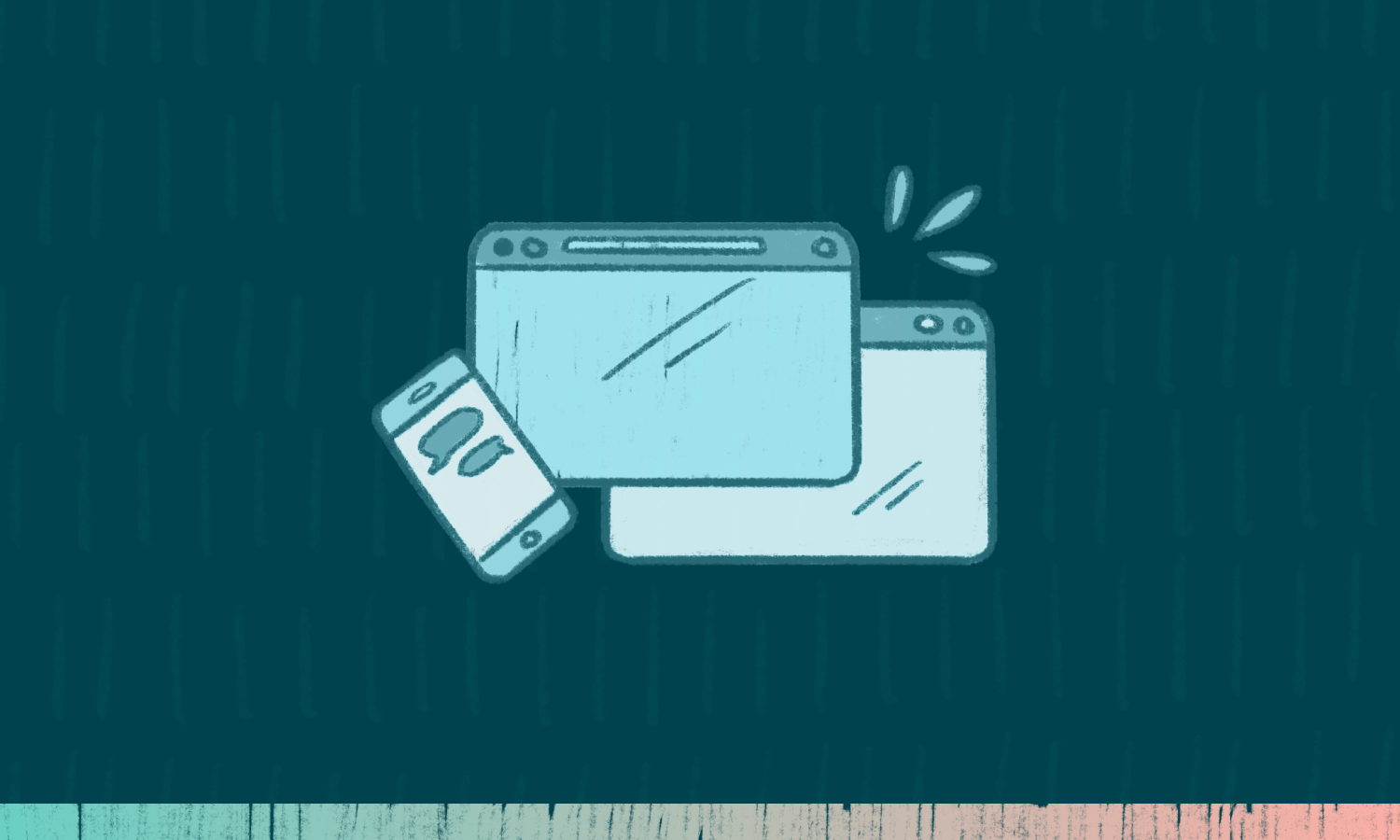
It's not a willpower problem. One of the most freeing takeaways from the session is that your scattered, buzzy, wired-but-tired feeling isn't a character flaw. Modern apps are engineered to capture your attention using the same "maybe something good is waiting" pull that makes slot machines so hard to walk away from.
And the cost of each little glance is bigger than it seems: research from UC Irvine's Dr. Gloria Mark suggests it can take around 23 minutes to fully return to deep focus after an interruption, not because the interruption is long, but because part of your mind stays stuck on it, a phenomenon researchers call "attention residue."
Your nervous system feels it too. In the webinar, we explored how a steady stream of alerts can keep your body in a low-level state of alert, the same system that notices potential threats, leaving you foggy, restless, and tired in a way that sleep doesn't quite fix.
Small changes genuinely help. You don't need to delete your apps or disappear into the woods. In the replay, we walk through simple, science-backed steps, like turning off non-essential notifications, batching your alerts into a few daily check-ins (shown in research to improve mood and sense of control), and protecting phone-free windows around sleep.
Watch the Full Webinar
Relevant Resources:
- Zoom Fatigue, Slack Anxiety, and Digital Boundaries
- The Psychology of Doomscrolling: Why It’s Addictive, How It Harms Mental Health, and How to Break the Cycle
- The Link Between Social Media and Mental Health
- The Digital Boundaries Reset Map
- Digital Hygiene Checklist
Your Tava Health benefit gives you access to a licensed therapist who can help you go even deeper. Confidential, covered by your employer, and matched in minutes at tavahealth.com.